 ne about what he saw and experienced during his life. Many of these poems have been written during the WWI era, as well as before and during the period when Child Labor Laws were coming into effect. A lot of these poems are about children who have found themselves laboring for long hours over tedious jobs to try to make ends meet. Many of them were probably not even paid for their work. It is also about trying to find joy in the small things of life, even though the majority of the time you are working and miserable. The children in some of these poems are also trying to find their way into adulthood and have found that they have already been forced to mature. This collection of poetry is about the general struggles of life, especially dealing with labor.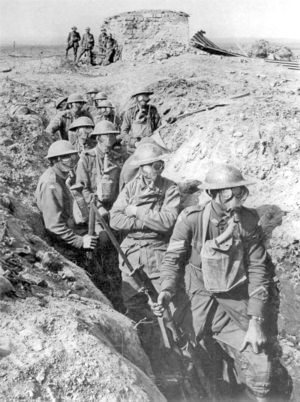
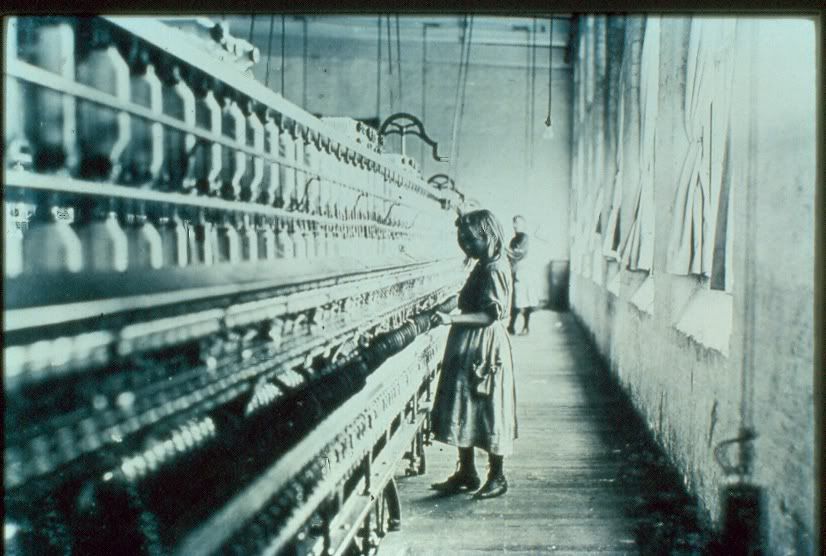
By the early 1900’s (1904), strong rallies were beginning to be held against child labor. Children would work long and grueling hours in harsh conditions such as coal mines, wool mills, glass factories and farms. Even after child labor laws were passed in 1938, harsh conditions for other workers still continued. In 1914, WWI commenced and demand for many industrial products such as fuel, aircraft parts, ship building supplies, nylon, and food. Goods were rationed out, thus the demand was very great as was the demand for cheap laborers. Growing up in the turmoil of the Great Depression or in times of WWI and WWII, a child's true personality may have been lost in the need for money and labor. Children in those circumstances were not able to play like normal children... many did not even have a family to go home to, but were kept in labor camps over twelve hours a day. Maturing would have to have been a very quick thing... one in that situation would have to be very strong and selfless to be able to survive in such harsh times.
An example about dealing with the hard times and with finding something small in yourself is almost a sanctuary. This quote comes from the poem "Right Cross".
"...all this month I've
gone in search of the Right
Cross, the punch
which had I mastered it forty years ago
might have
saved me from the worst. The heavy bag
still hangs from the rafters of the
garage
turning in no wind, where my youngest son
left it when he went off
ten years ago
abandoning his childish pursuit to me..."The first few lines convey the fact that the writer has lived a hard life, in which he has encountered many things he or she might not have wanted to. Having a good right hook seems to say he or she has had to deal with a lot of unruly people. It seems as though, that the bag being untouched for many years tells the reader that the man or woman writing this poem has had to make self sacrifices (like giving up on their dream of boxing) to work for a living. A passage in the very beginning of the poem suggests that although they are making it by, living seems to be a chore full of routines and boredom.
"....Though the Great Central Valley
is home for the homeless, the fruit
pickers
of creation, for runaway housewives
bored by their husbands,and
bored husbands,
the rising run does not dip back behind
the Sierras
until we're ready. The Valley Sun
just comes in. We ride, drop
our faces
in cold water, and face the prospects
of a day like last
one from which
we have not recovered."

From just reading a few sentences of Right Cross, it is clear that the lives of the low or middle class people living during the early 1900's was a hard thing to accomplish. There had to be many self sacrifices just to be able to survive. Fun and childhood had to be given up in order to put food on the table; many children were not even given a choice as to whether they were going to give up their childhood for cold reality at such a young age. Even though today in the 21st century, many families are still having to struggle to keep a roof over their head and food on the table... which is why this collection of poetry is about finding small pleasures of life, even if they are faced with drudgery every single day.


No comments:
Post a Comment