Shortly after the departure of the 1st Raider Battalion, the 2nd Raider Battalion disembarked at Aola Bay. Its task was pursuing three thousand hungry and exhausted Japanese soldiers retreating from the eastern side of the island to rejoin elements of the Japanese 17th Army on the western side of the Matanikau. The Raiders spent a month pursuing the Japanese on what was called the Long Patrol.
It seemed like it was raining all the time. We also had to cross many rivers. We had to climb a steep ridgeline dividing the Lunga and Tenaru valleys using ropes that we each carried and then linked together. We found an artillery piece that had been shelling Henderson Field. It was nicknamed "Pistol Pete." Several men took it apart and threw it over a cliff.
We came upon a Japanese field hospital and bivouac area. We killed a lot of JapsWhy kill the wounded? I don't think I could look at an injured man and kill him, even if I was in a war. -sarah baker 3/26/09 10:08 AM
Not out of anger at least. I suppose I could kill a wounded man if he had killed people I loved. But when you never knew them and they are laying there in pain the only reason I would kill them is to put them out of their misery. -Christine Wright 3/27/09 9:06 AM
. We bayoneted and shot anything that was still moving. It was a series of grass huts. They were on the ground wounded. Several had broken legs. It didn't look like they had proper medical attention, because some were bent on a 45-degree angle. They weren't sticking straight out. We were back in Japanese territory and didn't want to make noise, so we used bayonets. I was pretty angry. We had a patrol, and they captured one of our men and tied him over a log and used him as a woman. They rammed a bayonet up his butt and he bled to death. That made me angry! I can see the anger that he's talking about. Some of the war crimes are really terrible. -sarah baker 3/26/09 10:10 AM
Now that's personal. That would make me kill him if he was wounded. Your fellow soldiers are like your family. -Christine Wright 3/27/09 9:09 AM
So whenever I'd get into action, I'd get angry. I wasn't afraid when I was angry. We all felt that way after what we had seen.
After we left the area, we went up around Mount Austen. They ambushed us on the top. We had one man wounded. We carried him out; it was a long way down the mountain. We had jungle rot on our crotch and down our legs so bad that we had to stop every once in a while to empty the blood out of our shoesEWWWWWW!!!!!!!!!!!!! That sounds. . . uncomfortable. -sarah baker 3/26/09 10:13 AM.
Can you imaine your body rotting away? -Christine Wright 3/27/09 9:11 AMIt was painful. When you're in the field like that, you go, and you can't worry about pain.
The Raiders were a very special group. They're all volunteers. They were very select. We were interviewed by Evans Carlson or Jimmy Roosevelt. Roosevelt interviewed me and asked me if I was afraid to die. I said, "Anybody not afraid to die is a fool. But I would if it came to that. I wouldn't hesitate." He passed me.
Friday, March 27, 2009

My Post: Tom Lyons
The Marines on Guadalcanal
TOM LYONS, 1st Parachute Battalion
Outnumbered and running out of ammunition, Edson's three hundred defenders faced their gravest threat when a large element of the Japanese III Battalion, 124th Infantry seemed poised to overrun the left side of the knoll. Edson ordered the Marine parachutists holding that side of the knoll to counterattack immediately. But the parachute battalion's commanding officer was nowhere to be found. He was relieved on the spot by Edson, and Captain Harry Torgerson was placed in command. Torgerson assembled two companies of parachutists and launched them in a desperate counterattack, saving the left flank of the line. After the Marines regained the line, the fighting became hand-to-hand, as parachutist Tom Lyons vividly remembers.
When they started raking us with a machine gun, that pissed me off, Yes, I believe I might be as well. -Christine Wright 3/26/09 2:08 PM I think I might be more than a little pissed off. -sarah baker 3/26/09 1:18 PM so I got up and crawled through the grass. The grass was about a foot and a half tall off the side of that hill, and I crawled up and around to the side of the machine gun. Bullets were flying everywhere, but the grass was high enough that it would partially hide you. I got almost to the machine gun before I was detected. They didn't see me until I stood up. There were so many people running around you couldn't shoot anybody. I stood up and threw a hand grenade, and just as I threw the grenade, they swung the gun around and ripped me up through the middle. I took several bullets; most of them went all the way through, and one missed my heart by about a half an inch. It knocked me ass over tin cup down the hill. The first one stung like hell. It really hurt. But the others after that didn't hurt at all. It seemed like I just left my body and was floating up in the air looking down at everything going on.
I saw a Jap come out, and he stepped on my stomach and he stabbed me in the throat with his bayonet. It went through the side of my neck and into the ground behind me but it didn't hurt. Jesse Youngdeer [Robert Youngdeer's brother] was coming up the trail with a box of hand grenades, and this Jap stepped off me and instead of finishing me off, he made a thrust at Youngdeer. [Youngdeer] stopped it with the box of hand grenades, and then he grabbed the Jap's rifle and was trying to wrestle it out of his hands. The Jap had stabbed him just above the knee. Another Marine ran up with his bayonet, and he tried to stab the Jap, and he got confused and stabbed Youngdeer right in the leg.
My eyes were wide open. I could see everything that was going on. I thought I was seeing it from fifty feet above. When they started firing the 105s [artillery] right in my area, I got some shrapnel in the right side of my chest. The bullets and shells were passing right over where I was floating around up there, and I was afraid they were going to hit me. He survived until morning?! Christine Wright 3/26/09 2:11 PM It sounds like he got a lucky break. -sarah baker 3/26/09 1:19 PM
Morning came, and they came around, and all the Japs were gone. There were dead Japs all around me. They were picking out the Marines and throwing all the bodies on a truck, and they cut all our dog tags off. They hauled us down to the cemetery in the coconut grove, and they dumped our bodies out. I ended up at the top of the pile.
This guy seems to be very lucky! -Christine Wright 3/26/09 2:13 PM
It is really lucky that he ended up at the top. That would suck to be at the bottom or in the middle and still be alive. -sarah baker 3/26/09 1:20 PM
The driver came around close to the tailgate and thought I was coming alive, so he started running into the jungle screaming, and he didn't come back.
An hour or so later, two corpsmen came by in a jeep, and they put me on a stretcher and hauled me to the hospital. They put me under a palm tree. From the stretcher, doctors told them to take this one out and bring in someone they can save. So I was there under a palm tree, and fresh troops started coming up the road. A ship came in with reinforcements, and an officer came over and said, "Take all the people out of the field hospital and put them on my ship and I'll take them back to Buttons [Base Buttons in Esp�ritu Santo]." And he said, "And that one under the palm tree, put him in my cabin and call the ship surgeon." He said, "You're going to be on the bridge all the way back to Buttons." I was conscious but couldn't talk. My mouth was full of caked blood. I was wearing the same clothes for almost two months.
This ship surgeon got my lung uncollapsed, and he pumped all the blood out of it and had me all cleaned up. After we made port, they put me on a plane to New Zealand. My mother got a check from my insurance saying I was dead the same day she got a letter from me written by a nurse at hospital in New Zealand.
TOM LYONS, 1st Parachute Battalion
Outnumbered and running out of ammunition, Edson's three hundred defenders faced their gravest threat when a large element of the Japanese III Battalion, 124th Infantry seemed poised to overrun the left side of the knoll. Edson ordered the Marine parachutists holding that side of the knoll to counterattack immediately. But the parachute battalion's commanding officer was nowhere to be found. He was relieved on the spot by Edson, and Captain Harry Torgerson was placed in command. Torgerson assembled two companies of parachutists and launched them in a desperate counterattack, saving the left flank of the line. After the Marines regained the line, the fighting became hand-to-hand, as parachutist Tom Lyons vividly remembers.
When they started raking us with a machine gun, that pissed me off, Yes, I believe I might be as well. -Christine Wright 3/26/09 2:08 PM I think I might be more than a little pissed off. -sarah baker 3/26/09 1:18 PM so I got up and crawled through the grass. The grass was about a foot and a half tall off the side of that hill, and I crawled up and around to the side of the machine gun. Bullets were flying everywhere, but the grass was high enough that it would partially hide you. I got almost to the machine gun before I was detected. They didn't see me until I stood up. There were so many people running around you couldn't shoot anybody. I stood up and threw a hand grenade, and just as I threw the grenade, they swung the gun around and ripped me up through the middle. I took several bullets; most of them went all the way through, and one missed my heart by about a half an inch. It knocked me ass over tin cup down the hill. The first one stung like hell. It really hurt. But the others after that didn't hurt at all. It seemed like I just left my body and was floating up in the air looking down at everything going on.
I saw a Jap come out, and he stepped on my stomach and he stabbed me in the throat with his bayonet. It went through the side of my neck and into the ground behind me but it didn't hurt. Jesse Youngdeer [Robert Youngdeer's brother] was coming up the trail with a box of hand grenades, and this Jap stepped off me and instead of finishing me off, he made a thrust at Youngdeer. [Youngdeer] stopped it with the box of hand grenades, and then he grabbed the Jap's rifle and was trying to wrestle it out of his hands. The Jap had stabbed him just above the knee. Another Marine ran up with his bayonet, and he tried to stab the Jap, and he got confused and stabbed Youngdeer right in the leg.
My eyes were wide open. I could see everything that was going on. I thought I was seeing it from fifty feet above. When they started firing the 105s [artillery] right in my area, I got some shrapnel in the right side of my chest. The bullets and shells were passing right over where I was floating around up there, and I was afraid they were going to hit me. He survived until morning?! Christine Wright 3/26/09 2:11 PM It sounds like he got a lucky break. -sarah baker 3/26/09 1:19 PM
Morning came, and they came around, and all the Japs were gone. There were dead Japs all around me. They were picking out the Marines and throwing all the bodies on a truck, and they cut all our dog tags off. They hauled us down to the cemetery in the coconut grove, and they dumped our bodies out. I ended up at the top of the pile.
This guy seems to be very lucky! -Christine Wright 3/26/09 2:13 PM
It is really lucky that he ended up at the top. That would suck to be at the bottom or in the middle and still be alive. -sarah baker 3/26/09 1:20 PM
The driver came around close to the tailgate and thought I was coming alive, so he started running into the jungle screaming, and he didn't come back.
An hour or so later, two corpsmen came by in a jeep, and they put me on a stretcher and hauled me to the hospital. They put me under a palm tree. From the stretcher, doctors told them to take this one out and bring in someone they can save. So I was there under a palm tree, and fresh troops started coming up the road. A ship came in with reinforcements, and an officer came over and said, "Take all the people out of the field hospital and put them on my ship and I'll take them back to Buttons [Base Buttons in Esp�ritu Santo]." And he said, "And that one under the palm tree, put him in my cabin and call the ship surgeon." He said, "You're going to be on the bridge all the way back to Buttons." I was conscious but couldn't talk. My mouth was full of caked blood. I was wearing the same clothes for almost two months.
This ship surgeon got my lung uncollapsed, and he pumped all the blood out of it and had me all cleaned up. After we made port, they put me on a plane to New Zealand. My mother got a check from my insurance saying I was dead the same day she got a letter from me written by a nurse at hospital in New Zealand.
Thursday, March 26, 2009
Book Portfolio Quarter Three
“Bury My Heart At Wounded Knee” is a solemn reminder of the atrocities the Frontier Men and American soldiers committed in the early years of the western settlement. It describes in full and complete detail the many pacts between Natives and White Men, how each played out, and how each eventually ended in a bloody battle. The Natives were most always very trusting people, and yet they had no reason to trust the White Man at all; time after time they promised goods or peace or land, and never made good on their word. Still the Indians trusted them, and time and time again their hopes were ravaged by the White Man's greed. People like the Navajos, who trusted the Americans and even tried to bond with them and form a community – even those who did everything within their power to be at peace – even they were slaughtered wantonly. This poses a question; were the Natives too naive? Sometimes trust must be revoked for one's own emotional safety, even if one wants to believe that there is more good in certain people. Skepticism must be applied before risking your heart and people.

One example of this mis-guided trust is the example of the Navajo people. Upon journeying into a newly built camp, Manuelito, their chief was spoken to and specifically told to be peaceful and live quietly with the other whites. He agreed, because he dearly wanted peace for his people. So the Navajo people joined the Whites in Fort Defiance, near Canyon Bonito in New Mexico, along with their herds of livestock. At first there was trouble, for the Indian's livestock wandered onto land that was not their own (they did not have fences and so this was unstoppable). Disavowing their agreement, the soldiers of the Fort grew angry and shot every one of their livestock. Manuelito could not understand why they would do such a thing, when it was they who had made them promise peace! After waging a short war with the White Men, Manuelito and his tribe go back to living 'in peace' with the Whites in Fort Wingate. Although they had little say in the matter of their consolidation and theft of their land; the Native Americans did have the choice on whether to trust the Americans or not. It is not entirely a bad thing to be very trusting; this shows innocence, but to be bombarded by misery over trust – that is a bad thing. Little did he know, that such a trivial thing as a horse contest would set about a massacre of Navajo men, women and even children.

Another example of betrayed by the White Men is in the Santee Sioux tribe, lead by a man most commonly know as Little Crow. Little Crow was an incredibly trusting and innocent man; he believed in only good in people, and could not understand why a man would say one thing and then do another. His trust and spirit was broken by the numerous lies and absurdities he had the Santee Sioux put through. They were owed a certain amount of rations, and they were being delivered later and later, until not at all. The tribe was starving to death, and so Little Crow being the chief went to speak with the White Men and try to get food. Little Crow pleaded with the sentries, as there was food in storage close by but the men turned them down saying “If they are hungry, they can eat grass and their own filth.” This seemed the ultimate betrayed of Little Crow's trust. He could no longer prove his worthiness as a chief to the Santees – the soldiers had usurped all power and dignity he had ever possessed.
“Although wrongs have been done me, I live in hopes. I have not got two hearts... Now we are together again to make peace. My shame is as big as the earth, although I will do what my friends advise me to do. I once thought that I was the only man that preserved to be the friend of the white man, but since they have come and cleaned out our lodges, horses, and everything else, it is hard for me to believe white men anymore.” - Black Kettle of the Shawnee.

Sometimes trust must be revoked for one's own emotional safety. This moral not only applies to the Native in “Bury My Heart At Wounded Knee”, but to every living human being. Trust is something that must be earned; a bad reputation should stay with a person or organization until they painfully earn back a good one. Emotional health should not be wasted on those who do not deserve it. Believing in a person who has hurt you over and over again does not do you any good whatsoever. It was not wrong for the Natives to try to cooperate and live peaceably with the Whites; and it was not wrong for them to trust them. However, it was a greater downfall for them to continue to trust them and be hurt by it over and over. It was incredibly wrong of the soldiers to treat the Indians the way they did; they spoiled their innocence and their way of thinking about the world and the good of human kind. They may have died wondering if their beliefs on the human spirit were really true, because how could they ever imagine a culture ever being so ruthless and mean spirited?
The perspective of the Indians is that of a unique and irreplaceable culture; no culture has been or will be like the Native Americans in that point of history. The events of prejudice that occurred in the Western lands of America are unique in their own way, however the major thread of trust and betrayal runs throughout history. A theme of persecution and massacre can be seen in the days of World War Two, where an obscene amount of Jews were tortured, starved, labored, and beaten simply because of a prejudice again their race and the fact that a culture no longer desired them to be where they were. In a way, this is what happened to the Indians; they were annihilated. Trust placed in the wrong hands is a universal mistake – it can happen in any day and any age. It can be as simple as trusting a friend when they have lied to you several times before, to trusting someone to drive you home safely and accidentally inuring you in a crash (even if you had known they were irresponsible drivers.) It is good to trust, yet bad to trust too much – this is one of the problems the Native Americans had to face during the years of their extermination from their blood lands.
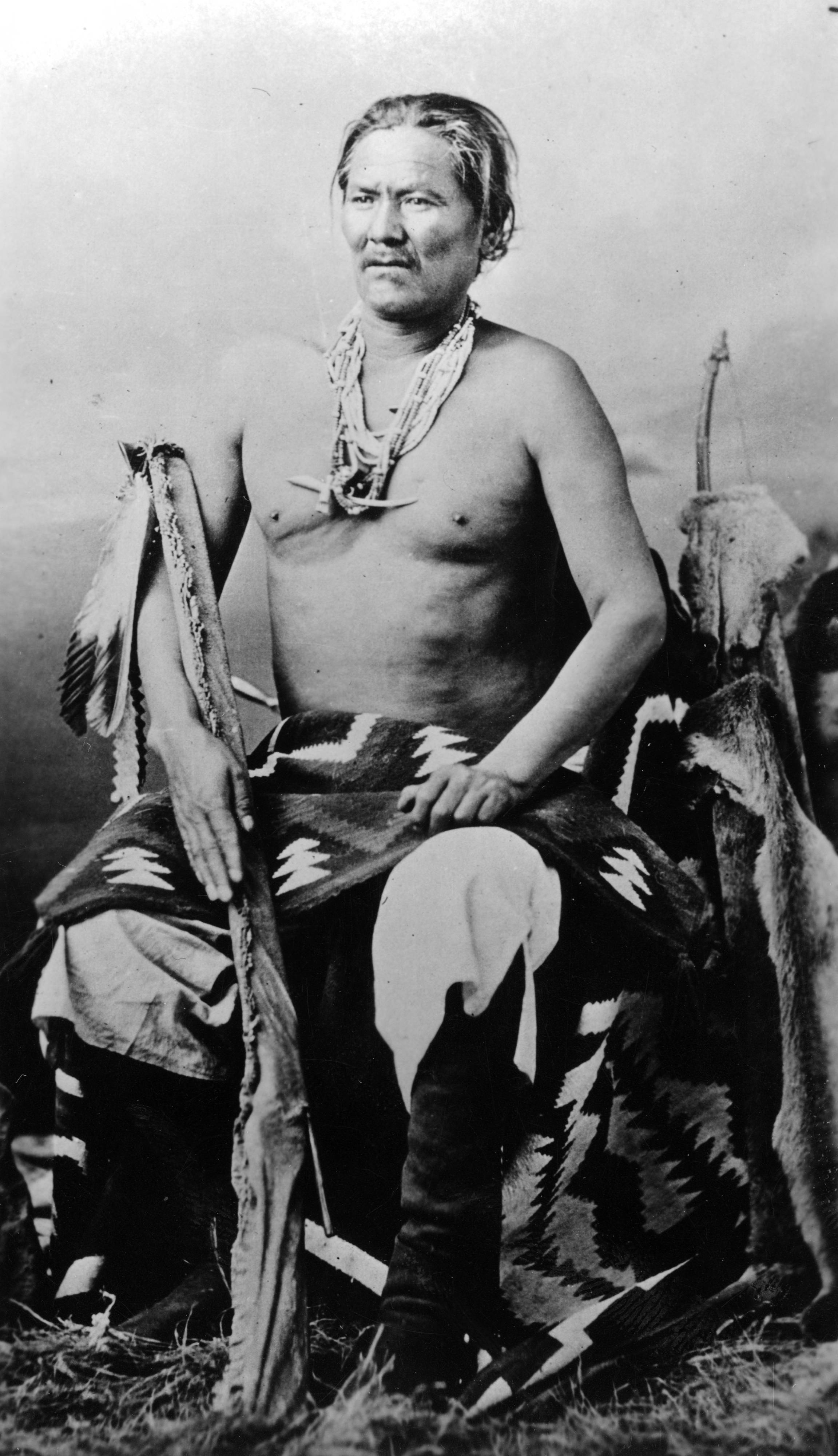
One example of this mis-guided trust is the example of the Navajo people. Upon journeying into a newly built camp, Manuelito, their chief was spoken to and specifically told to be peaceful and live quietly with the other whites. He agreed, because he dearly wanted peace for his people. So the Navajo people joined the Whites in Fort Defiance, near Canyon Bonito in New Mexico, along with their herds of livestock. At first there was trouble, for the Indian's livestock wandered onto land that was not their own (they did not have fences and so this was unstoppable). Disavowing their agreement, the soldiers of the Fort grew angry and shot every one of their livestock. Manuelito could not understand why they would do such a thing, when it was they who had made them promise peace! After waging a short war with the White Men, Manuelito and his tribe go back to living 'in peace' with the Whites in Fort Wingate. Although they had little say in the matter of their consolidation and theft of their land; the Native Americans did have the choice on whether to trust the Americans or not. It is not entirely a bad thing to be very trusting; this shows innocence, but to be bombarded by misery over trust – that is a bad thing. Little did he know, that such a trivial thing as a horse contest would set about a massacre of Navajo men, women and even children.
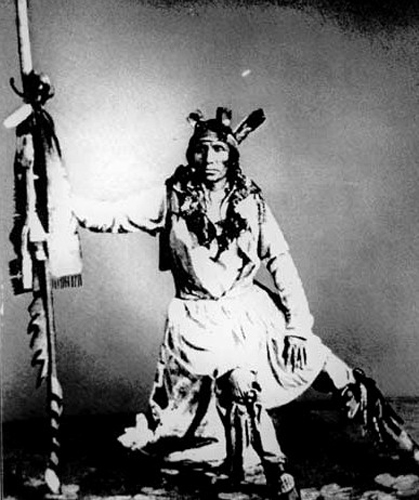
Another example of betrayed by the White Men is in the Santee Sioux tribe, lead by a man most commonly know as Little Crow. Little Crow was an incredibly trusting and innocent man; he believed in only good in people, and could not understand why a man would say one thing and then do another. His trust and spirit was broken by the numerous lies and absurdities he had the Santee Sioux put through. They were owed a certain amount of rations, and they were being delivered later and later, until not at all. The tribe was starving to death, and so Little Crow being the chief went to speak with the White Men and try to get food. Little Crow pleaded with the sentries, as there was food in storage close by but the men turned them down saying “If they are hungry, they can eat grass and their own filth.” This seemed the ultimate betrayed of Little Crow's trust. He could no longer prove his worthiness as a chief to the Santees – the soldiers had usurped all power and dignity he had ever possessed.
“Although wrongs have been done me, I live in hopes. I have not got two hearts... Now we are together again to make peace. My shame is as big as the earth, although I will do what my friends advise me to do. I once thought that I was the only man that preserved to be the friend of the white man, but since they have come and cleaned out our lodges, horses, and everything else, it is hard for me to believe white men anymore.” - Black Kettle of the Shawnee.

Sometimes trust must be revoked for one's own emotional safety. This moral not only applies to the Native in “Bury My Heart At Wounded Knee”, but to every living human being. Trust is something that must be earned; a bad reputation should stay with a person or organization until they painfully earn back a good one. Emotional health should not be wasted on those who do not deserve it. Believing in a person who has hurt you over and over again does not do you any good whatsoever. It was not wrong for the Natives to try to cooperate and live peaceably with the Whites; and it was not wrong for them to trust them. However, it was a greater downfall for them to continue to trust them and be hurt by it over and over. It was incredibly wrong of the soldiers to treat the Indians the way they did; they spoiled their innocence and their way of thinking about the world and the good of human kind. They may have died wondering if their beliefs on the human spirit were really true, because how could they ever imagine a culture ever being so ruthless and mean spirited?
The perspective of the Indians is that of a unique and irreplaceable culture; no culture has been or will be like the Native Americans in that point of history. The events of prejudice that occurred in the Western lands of America are unique in their own way, however the major thread of trust and betrayal runs throughout history. A theme of persecution and massacre can be seen in the days of World War Two, where an obscene amount of Jews were tortured, starved, labored, and beaten simply because of a prejudice again their race and the fact that a culture no longer desired them to be where they were. In a way, this is what happened to the Indians; they were annihilated. Trust placed in the wrong hands is a universal mistake – it can happen in any day and any age. It can be as simple as trusting a friend when they have lied to you several times before, to trusting someone to drive you home safely and accidentally inuring you in a crash (even if you had known they were irresponsible drivers.) It is good to trust, yet bad to trust too much – this is one of the problems the Native Americans had to face during the years of their extermination from their blood lands.
Friday, March 20, 2009
History Class This Week March 20
Last class we discussed the basic points of the begining of War War Two, which I thought was interesting but wished that you could have elaborated on it more or given some interesting stories to pull everything together more. I liked the google maps where the screen zoomed from place to place. It really conveyed how big the war was and how much land was concerned in it.
Tuesday, March 10, 2009
The Great Depression
1. How does a person make money on an investment?
Buy the stocks low, and sell the stocks higher than what you bought it for.
2. What does 'cheap credit' mean?
There is a lot of money available to borrow, regular people with so so credit can get a cheap loan and buy something they could not otherwise afford.
3. What is 'buying on margin' mean?
You can put ten percent of the cost down, and pay interest on the other ninety percent, while waiting for your stock to enlarge.
4. How is 'speculation' different from 'investment'?
Investing is buying something for a long term investment with little or no intent to sell; a speculator is someone who rides the market and buys something only to sell it for more money later.
5. How does 'panic selling' start?
When everyone around you is selling thier stocks, and you realize that you need to sell as well or lose all your money.
6. How can high unemployment start a negative economic cycle?
As people lose thier jobs, productivity goes down, less and less people have money to spend, and even if they did there would be less produce to buy.
7. How did increases in technology contribute to overproduction in the 1920's?
Electricity and mechanical devices made it easier to make more of your product with less employees. This means less people have an income, and less money to buy the increased amount of products.
8. What is meant by 'uneven distribution of wealth? Is it a bad thing?
One tenth percent at the top of economy owned as much as the bottom fortytwo percent of American families. Almost half of all Americans were living in poverty.
9. What is a tariff, and why don't they seem to work in the modern economy (post-WWI)?
An extra tax we have to pay on an imported good. When everyome decides to post a high tariff, it hurts everyone in the end.
10. What is 'rugged individualism? Is it real?
You must be self dependant and look to themsevles for a fix.
11. What is a Hooverville, and why is it called that?
A town or grouping of tents or boxes in which people would camp out.
Buy the stocks low, and sell the stocks higher than what you bought it for.
2. What does 'cheap credit' mean?
There is a lot of money available to borrow, regular people with so so credit can get a cheap loan and buy something they could not otherwise afford.
3. What is 'buying on margin' mean?
You can put ten percent of the cost down, and pay interest on the other ninety percent, while waiting for your stock to enlarge.
4. How is 'speculation' different from 'investment'?
Investing is buying something for a long term investment with little or no intent to sell; a speculator is someone who rides the market and buys something only to sell it for more money later.
5. How does 'panic selling' start?
When everyone around you is selling thier stocks, and you realize that you need to sell as well or lose all your money.
6. How can high unemployment start a negative economic cycle?
As people lose thier jobs, productivity goes down, less and less people have money to spend, and even if they did there would be less produce to buy.
7. How did increases in technology contribute to overproduction in the 1920's?
Electricity and mechanical devices made it easier to make more of your product with less employees. This means less people have an income, and less money to buy the increased amount of products.
8. What is meant by 'uneven distribution of wealth? Is it a bad thing?
One tenth percent at the top of economy owned as much as the bottom fortytwo percent of American families. Almost half of all Americans were living in poverty.
9. What is a tariff, and why don't they seem to work in the modern economy (post-WWI)?
An extra tax we have to pay on an imported good. When everyome decides to post a high tariff, it hurts everyone in the end.
10. What is 'rugged individualism? Is it real?
You must be self dependant and look to themsevles for a fix.
11. What is a Hooverville, and why is it called that?
A town or grouping of tents or boxes in which people would camp out.
Friday, March 6, 2009
My Time in History Class
The things I enjoy most about our history class is when you give detailed lectures with lots of insight put in a way that is easy to understand. They are never dry or boring and they help me to understand a lot. I also like it when you have a good visual to go along with what you are lecturing on, such as an interesting photo or a movie clip. It is also good when you have a side story that is entertaining, while still related to the topic. It helps everyone stay interested while not being monotonous.
What I think would be helpful if you posted the exam essays on your website so we could have access to them even if we forgot our papers. I also wish that we could have a little bit of time at the end of every class to ask questions about less related subject during the lecture, and looked them up on youtube. For example, I would have liked to look up Charlie Chaplin after class because I was interested in who he was, but because he was not directly related to our subject, we did not get to see who he was.
What I think would be helpful if you posted the exam essays on your website so we could have access to them even if we forgot our papers. I also wish that we could have a little bit of time at the end of every class to ask questions about less related subject during the lecture, and looked them up on youtube. For example, I would have liked to look up Charlie Chaplin after class because I was interested in who he was, but because he was not directly related to our subject, we did not get to see who he was.
Thursday, March 5, 2009
Cold War Era Exam
1). Basically, Ronald Reagan has been given most of the credit for ending the Cold War because he was actually president during the end of it. It was his strong arm attitude that drove us to overpower the Soviet Union and take back control. Although it is true that many other Presidents contributed in breaking the Soviet Union, the ultimate end of the War was seen under Reagan's command. Reagan is credited with being an American hero - especially after he was shot by Brady while doing his duty for America. It was not as though he would have been able to do anything about his assassination attempt, but nevertheless he was deemed a hero for "taking a bullet for America." His Presidency started off with a bang when all of Jimmy Carter's struggles were ended when the hostages were released during his inauguration. While belittling Carter, this raised Reagan on a platform as a great and successful star to his career. It was things like these that helped him in his popularity - even though he did little to set the hostages free, the release of the prisoners was in essence because of him, or rather, the ending of Carter's presidency. It was Reagan's talk of the "evil empire" that finally got America together and ultimately helped us win the cold war over the Soviet Union.
(this was the last one I wrote... I know its not very good :/ )
2). The presidents involved in the Watergate and Iran Contra scandals were two very different people, with different personality traits and a different way of dealing with situations. To begin, Nixon had none of the suave and gentlemanly effect that Ronald Reagan had. Reagan had been an actor previously, and knew how to convey himself and being charming for a crowd or camera. Compared to Reagan, Nixon had little appeal in that regard, and even less as the truth about his personality unfolded.
Richard Nixon's scandal was more insulting the American people in general. During the election season of 1972, Richard's Dirty Tricks Squad broke into the Democratic Headquarters in the Watergate Complex in an attempt to uncover information which would lead to the downfall of the Democratic Party. Right after, nearly 6 days, Nixon was able to hush the break in and the American populace never heard about this unethical scandal. From the start, Nixon was sliming his way into office with bad politics and bad manners. This was an immediate insult the the American people, even though they would not know of his doings until over a year later. Tapes were found of Nixon's conversations in the White House, some of which he cursed violently and disrespected his office. This was insulting to the American people because he had shamed the office of President by using such foul language inside it. As President we expect our leader to conduct himself in a proper way (at least while holding conferences in the White House). As well as uncovering his bad language, the fact that he was behind the break-ins at Watergate made the American people feel ignorant for trusting him and letting him hold such a prestigious office in the first place. Over all, Nixon had little charm or reliability, and ended up leading to his own downfall.
Ronald Reagan, however did not make the American people feel nearly as stupid and disappointed as Nixon did. Ronald Reagan possessed many more good attributes than Nixon, and was able to seem respectable and classy (at least to the face of America). Although the Iran Contra Affair was nothing to be proud of, the people did not take it as quite as personal a blow. It was not as shocking as Nixon's scandal had been; a direct hit to the face of America. When compared to what Reagan is credited for - ending a fifty year long war that had been present in many voter's entire lives, it pales in comparison. Liberating America from the grip of the Cold War is far more redeeming, while a few illegally sold weapons seemed hardly a comparison.
In short, Reagan got away with what he did because of his character and the fact that he had a good deed to cancel out the scandal that he committed. Nixon had no such great deed he had done, and even so the nature of his acts were such that not many would have forgiven him even if he had.
3). There are several major events that happened during the era of the cold war, and each of them are important in establishing the course that America took and how all events played out. An example of three of these are the Watergate Scandal of Richard Nixon, the Malaise Speech given by Jimmy Carter, and the Iran Contra Affair under President Ronald Reagan. Each of these are significant because they all provide insight into how the public viewed each president and the general state of the American Population and its leaders.
Beginning with the Watergate Scandal in the year 1972, it is clear even after a small amount of research that most of Nixon's career during the election season of 1972 to his presidency in 1973, there were many misdeeds and corrupt politics coming into play in the White House. Nixon was the head of a team of his closest advisers, aptly deemed the "Dirty Tricks" squad. All of these men were in a high ranking in politics, and all held a strong desire to win, whatever morals they had to trample to get there. During the election season, the Dirty Tricks squad broke into the Watergate Complex to try to uncover secret information on the Democratic Party. This was not only illegal, but unethical and immoral as well. Had this been taken more seriously, the American populace probably would not have elected him. However, Nixon was sworn into office and continued his streak of disrespect throughout his career. This was unknown until a certain thing about Nixon was revealed; it was called the Smoking Gun. This Smoking Gun pointed at Nixon for the Watergate break in and several more unappealing deeds. It was Nixon himself that lead to his own demise; he had a secret tape recorder in his office where every conversation was recorded. He intended to use it for his own good, yet it lead to America finally knowing who he truly was. Although Nixon was not always suspected, everything turned around once the cat was out of the bag. America veiwed him in a completely different light, as a scoundrel and a liar.
Secondly, the Malaise speech. Jimmy Carter believed that America was running on existentialism. He knew that the golden age of family oriented living was passing by very quickly, and could be extinct without some guidance or leadership. President Carter believed that the Americans were having a so called "Crisis of Confidence" where they not only felt un-united, but lost as well. Greed and an energy crisis was driving America into a materialistic state of mind. At the time, when James Carter first gave the speech, he suggested that the problem was not in the leaders of this country, but in the people as a whole. He suggested that Americans go back to their roots and seek what is truly important: companionship, love, and family, not goods, money, and gasoline. When he first gave the Malaise Speech, the people of America did not take to it, simply because it was not what they wanted to hear. No one in a time of Crisis wants to hear that the crisis is their fault, rather they wish to blame it on someone in a leadership role. However, when we look back today and realize that we are in much the same problem, we are able to think more clearly and realize that what President Carter was saying is completely true. As always, hindsight is 20/20.
Lastly the Iran Contra Affair. Ronald Reagan is known to some as a very great President who deserves to go down in history as one of America's best. Compared to a person such as Reagan and all that he accomplished during his Presidency, an affair such as the Iran Contra seems almost pointlessly small to worry about. Reagan is credited with the end of the Cold War, a fifty year long ordeal. Americans would probably be so happy about this prospect that they could completely overlook the fact that Reagan broke the law. At the time of the Iran Contra Affair, it was a lot bigger deal, but due to Reagan's charm and way of manipulating the camera, it was mostly forgotten by the current age. People that lived through it may look back and have an opinion on it, but it is not the most striking thing they remember about Reagan and his term as Presidency.
Each president had a different way of carrying himself, and each of these ways payed off in one way or another. Sometimes the American people appreciated each deed for what it truly was worth, but others they were blinded by their ignorance and passion. It is true, however that each event changed America in one way or another.
(this was the last one I wrote... I know its not very good :/ )
2). The presidents involved in the Watergate and Iran Contra scandals were two very different people, with different personality traits and a different way of dealing with situations. To begin, Nixon had none of the suave and gentlemanly effect that Ronald Reagan had. Reagan had been an actor previously, and knew how to convey himself and being charming for a crowd or camera. Compared to Reagan, Nixon had little appeal in that regard, and even less as the truth about his personality unfolded.
Richard Nixon's scandal was more insulting the American people in general. During the election season of 1972, Richard's Dirty Tricks Squad broke into the Democratic Headquarters in the Watergate Complex in an attempt to uncover information which would lead to the downfall of the Democratic Party. Right after, nearly 6 days, Nixon was able to hush the break in and the American populace never heard about this unethical scandal. From the start, Nixon was sliming his way into office with bad politics and bad manners. This was an immediate insult the the American people, even though they would not know of his doings until over a year later. Tapes were found of Nixon's conversations in the White House, some of which he cursed violently and disrespected his office. This was insulting to the American people because he had shamed the office of President by using such foul language inside it. As President we expect our leader to conduct himself in a proper way (at least while holding conferences in the White House). As well as uncovering his bad language, the fact that he was behind the break-ins at Watergate made the American people feel ignorant for trusting him and letting him hold such a prestigious office in the first place. Over all, Nixon had little charm or reliability, and ended up leading to his own downfall.
Ronald Reagan, however did not make the American people feel nearly as stupid and disappointed as Nixon did. Ronald Reagan possessed many more good attributes than Nixon, and was able to seem respectable and classy (at least to the face of America). Although the Iran Contra Affair was nothing to be proud of, the people did not take it as quite as personal a blow. It was not as shocking as Nixon's scandal had been; a direct hit to the face of America. When compared to what Reagan is credited for - ending a fifty year long war that had been present in many voter's entire lives, it pales in comparison. Liberating America from the grip of the Cold War is far more redeeming, while a few illegally sold weapons seemed hardly a comparison.
In short, Reagan got away with what he did because of his character and the fact that he had a good deed to cancel out the scandal that he committed. Nixon had no such great deed he had done, and even so the nature of his acts were such that not many would have forgiven him even if he had.
3). There are several major events that happened during the era of the cold war, and each of them are important in establishing the course that America took and how all events played out. An example of three of these are the Watergate Scandal of Richard Nixon, the Malaise Speech given by Jimmy Carter, and the Iran Contra Affair under President Ronald Reagan. Each of these are significant because they all provide insight into how the public viewed each president and the general state of the American Population and its leaders.
Beginning with the Watergate Scandal in the year 1972, it is clear even after a small amount of research that most of Nixon's career during the election season of 1972 to his presidency in 1973, there were many misdeeds and corrupt politics coming into play in the White House. Nixon was the head of a team of his closest advisers, aptly deemed the "Dirty Tricks" squad. All of these men were in a high ranking in politics, and all held a strong desire to win, whatever morals they had to trample to get there. During the election season, the Dirty Tricks squad broke into the Watergate Complex to try to uncover secret information on the Democratic Party. This was not only illegal, but unethical and immoral as well. Had this been taken more seriously, the American populace probably would not have elected him. However, Nixon was sworn into office and continued his streak of disrespect throughout his career. This was unknown until a certain thing about Nixon was revealed; it was called the Smoking Gun. This Smoking Gun pointed at Nixon for the Watergate break in and several more unappealing deeds. It was Nixon himself that lead to his own demise; he had a secret tape recorder in his office where every conversation was recorded. He intended to use it for his own good, yet it lead to America finally knowing who he truly was. Although Nixon was not always suspected, everything turned around once the cat was out of the bag. America veiwed him in a completely different light, as a scoundrel and a liar.
Secondly, the Malaise speech. Jimmy Carter believed that America was running on existentialism. He knew that the golden age of family oriented living was passing by very quickly, and could be extinct without some guidance or leadership. President Carter believed that the Americans were having a so called "Crisis of Confidence" where they not only felt un-united, but lost as well. Greed and an energy crisis was driving America into a materialistic state of mind. At the time, when James Carter first gave the speech, he suggested that the problem was not in the leaders of this country, but in the people as a whole. He suggested that Americans go back to their roots and seek what is truly important: companionship, love, and family, not goods, money, and gasoline. When he first gave the Malaise Speech, the people of America did not take to it, simply because it was not what they wanted to hear. No one in a time of Crisis wants to hear that the crisis is their fault, rather they wish to blame it on someone in a leadership role. However, when we look back today and realize that we are in much the same problem, we are able to think more clearly and realize that what President Carter was saying is completely true. As always, hindsight is 20/20.
Lastly the Iran Contra Affair. Ronald Reagan is known to some as a very great President who deserves to go down in history as one of America's best. Compared to a person such as Reagan and all that he accomplished during his Presidency, an affair such as the Iran Contra seems almost pointlessly small to worry about. Reagan is credited with the end of the Cold War, a fifty year long ordeal. Americans would probably be so happy about this prospect that they could completely overlook the fact that Reagan broke the law. At the time of the Iran Contra Affair, it was a lot bigger deal, but due to Reagan's charm and way of manipulating the camera, it was mostly forgotten by the current age. People that lived through it may look back and have an opinion on it, but it is not the most striking thing they remember about Reagan and his term as Presidency.
Each president had a different way of carrying himself, and each of these ways payed off in one way or another. Sometimes the American people appreciated each deed for what it truly was worth, but others they were blinded by their ignorance and passion. It is true, however that each event changed America in one way or another.
Subscribe to:
Comments (Atom)
