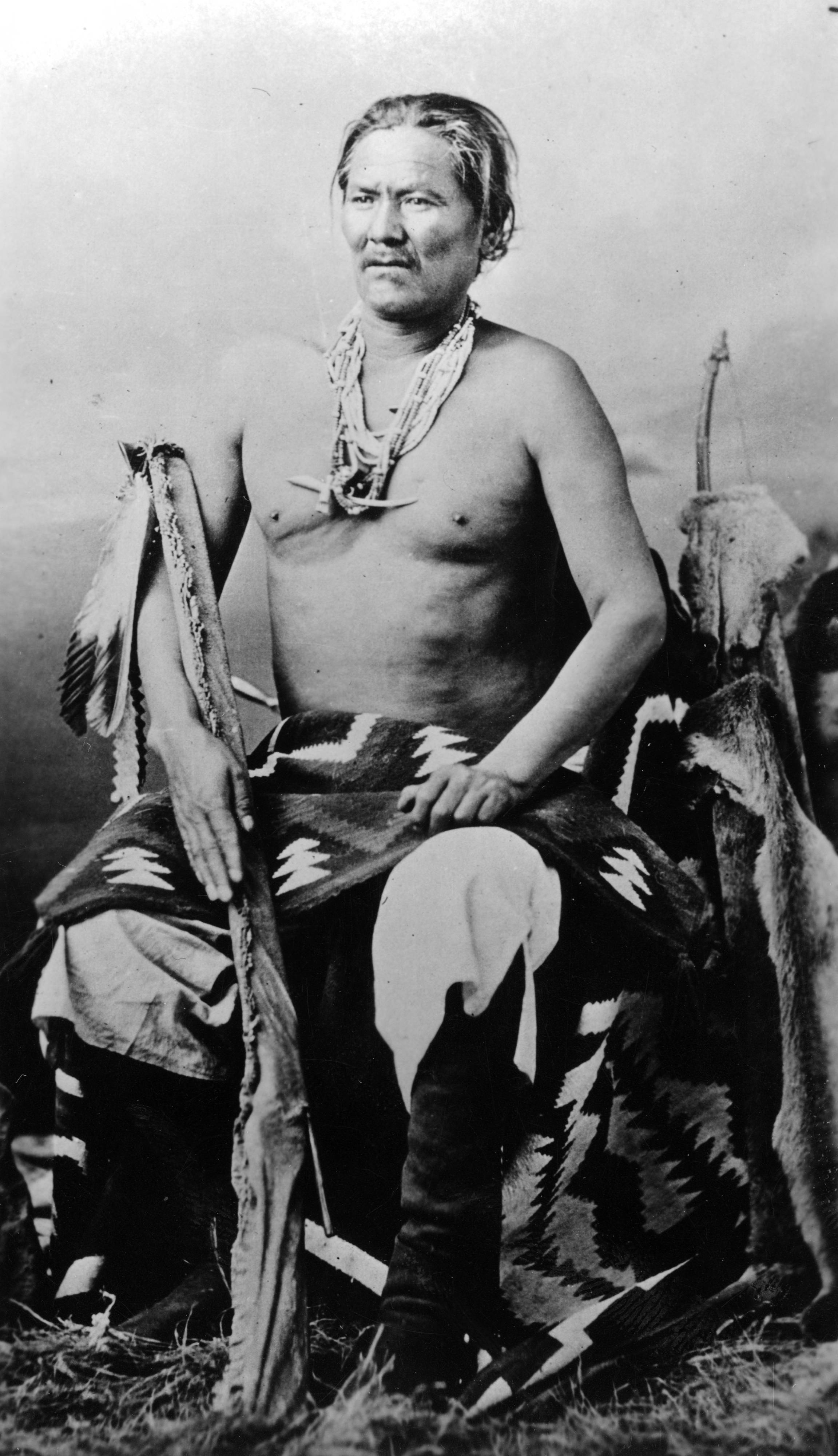
One example of this mis-guided trust is the example of the Navajo people. Upon journeying into a newly built camp, Manuelito, their chief was spoken to and specifically told to be peaceful and live quietly with the other whites. He agreed, because he dearly wanted peace for his people. So the Navajo people joined the Whites in Fort Defiance, near Canyon Bonito in New Mexico, along with their herds of livestock. At first there was trouble, for the Indian's livestock wandered onto land that was not their own (they did not have fences and so this was unstoppable). Disavowing their agreement, the soldiers of the Fort grew angry and shot every one of their livestock. Manuelito could not understand why they would do such a thing, when it was they who had made them promise peace! After waging a short war with the White Men, Manuelito and his tribe go back to living 'in peace' with the Whites in Fort Wingate. Although they had little say in the matter of their consolidation and theft of their land; the Native Americans did have the choice on whether to trust the Americans or not. It is not entirely a bad thing to be very trusting; this shows innocence, but to be bombarded by misery over trust – that is a bad thing. Little did he know, that such a trivial thing as a horse contest would set about a massacre of Navajo men, women and even children.
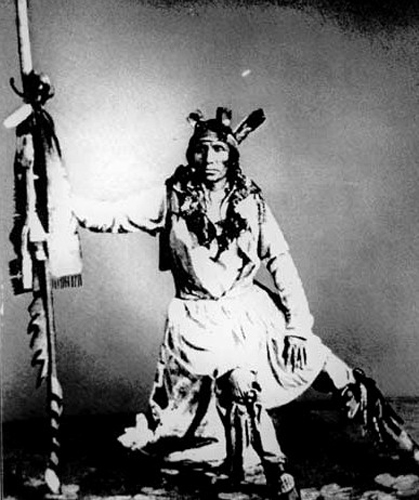
Another example of betrayed by the White Men is in the Santee Sioux tribe, lead by a man most commonly know as Little Crow. Little Crow was an incredibly trusting and innocent man; he believed in only good in people, and could not understand why a man would say one thing and then do another. His trust and spirit was broken by the numerous lies and absurdities he had the Santee Sioux put through. They were owed a certain amount of rations, and they were being delivered later and later, until not at all. The tribe was starving to death, and so Little Crow being the chief went to speak with the White Men and try to get food. Little Crow pleaded with the sentries, as there was food in storage close by but the men turned them down saying “If they are hungry, they can eat grass and their own filth.” This seemed the ultimate betrayed of Little Crow's trust. He could no longer prove his worthiness as a chief to the Santees – the soldiers had usurped all power and dignity he had ever possessed.
“Although wrongs have been done me, I live in hopes. I have not got two hearts... Now we are together again to make peace. My shame is as big as the earth, although I will do what my friends advise me to do. I once thought that I was the only man that preserved to be the friend of the white man, but since they have come and cleaned out our lodges, horses, and everything else, it is hard for me to believe white men anymore.” - Black Kettle of the Shawnee.

Sometimes trust must be revoked for one's own emotional safety. This moral not only applies to the Native in “Bury My Heart At Wounded Knee”, but to every living human being. Trust is something that must be earned; a bad reputation should stay with a person or organization until they painfully earn back a good one. Emotional health should not be wasted on those who do not deserve it. Believing in a person who has hurt you over and over again does not do you any good whatsoever. It was not wrong for the Natives to try to cooperate and live peaceably with the Whites; and it was not wrong for them to trust them. However, it was a greater downfall for them to continue to trust them and be hurt by it over and over. It was incredibly wrong of the soldiers to treat the Indians the way they did; they spoiled their innocence and their way of thinking about the world and the good of human kind. They may have died wondering if their beliefs on the human spirit were really true, because how could they ever imagine a culture ever being so ruthless and mean spirited?
The perspective of the Indians is that of a unique and irreplaceable culture; no culture has been or will be like the Native Americans in that point of history. The events of prejudice that occurred in the Western lands of America are unique in their own way, however the major thread of trust and betrayal runs throughout history. A theme of persecution and massacre can be seen in the days of World War Two, where an obscene amount of Jews were tortured, starved, labored, and beaten simply because of a prejudice again their race and the fact that a culture no longer desired them to be where they were. In a way, this is what happened to the Indians; they were annihilated. Trust placed in the wrong hands is a universal mistake – it can happen in any day and any age. It can be as simple as trusting a friend when they have lied to you several times before, to trusting someone to drive you home safely and accidentally inuring you in a crash (even if you had known they were irresponsible drivers.) It is good to trust, yet bad to trust too much – this is one of the problems the Native Americans had to face during the years of their extermination from their blood lands.


No comments:
Post a Comment